Conference AV Planning Checklist: What Event Planners In California Need To Know
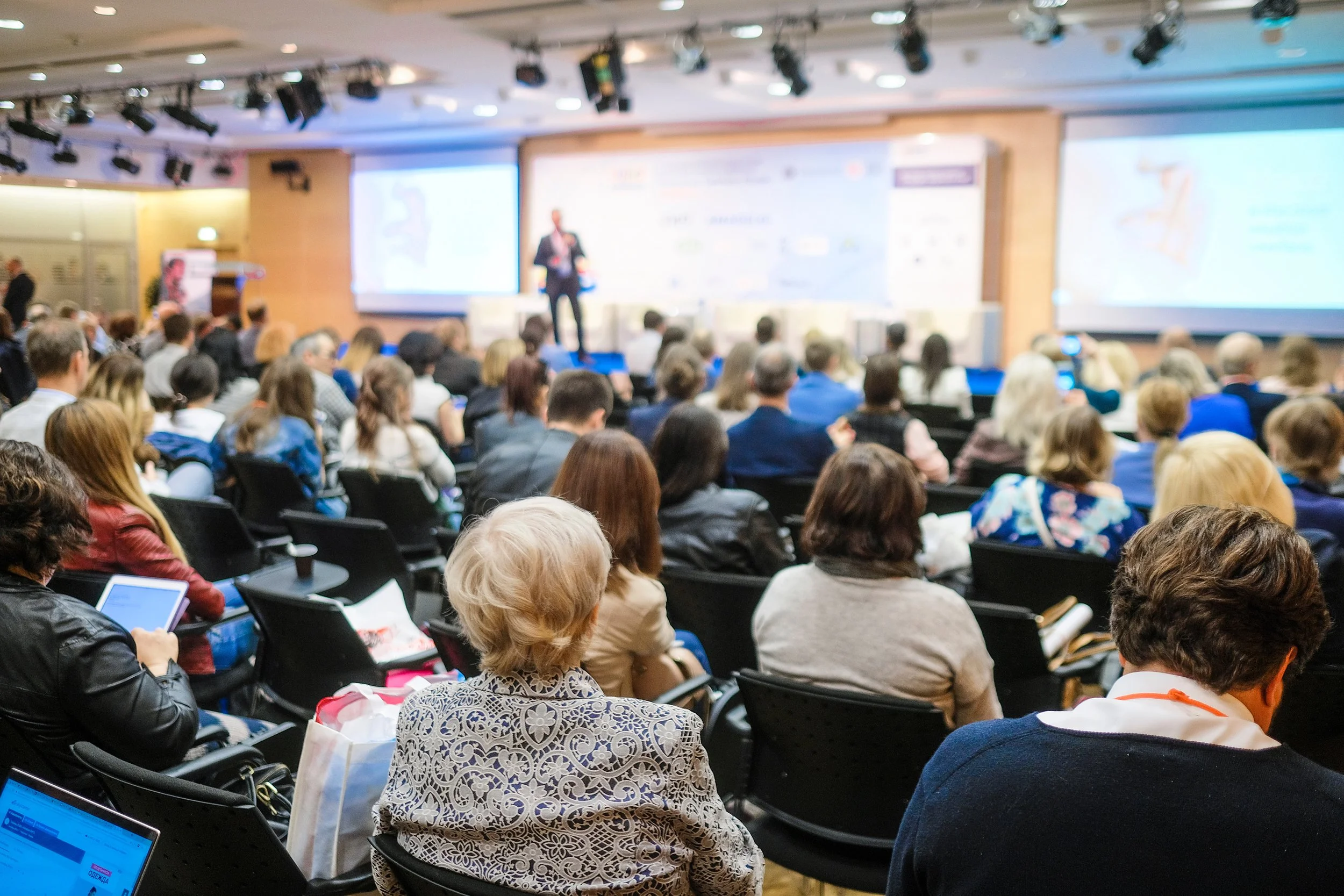
Conference AV isn’t something you want to “figure out as you go.” When sound, lighting, screens, or microphones aren’t dialed in, the entire event feels off—no matter how strong the speakers or agenda may be.
That’s why having a clear AV checklist matters. It keeps your planning organized, helps avoid last-minute surprises, and ensures every room is ready before the first attendee walks in.
This guide breaks down the key AV essentials every conference should account for.
Step 1: Define Your Goals
Before talking screens, speakers, or microphones, get clear on what the event needs to accomplish. A policy summit, sales kickoff, and medical conference may use the same venue, but their AV requirements will look very different.
At this stage, clarify:
Expected attendance and session formats
Single-room vs. multi-room programming
Recording or livestreaming needs
These decisions guide every AV choice that follows. Experienced teams handling conference AV in Sacramento and beyond can help translate goals into technical requirements early—avoiding both overbuilding and last-minute gaps.
Step 2: Align AV To The Venue
Once the venue is locked, AV planning becomes more specific. California venues vary widely, from modern conference hotels to older, architecturally unique spaces—each with its own constraints.
An AV walkthrough should confirm:
Ceiling height and rigging limitations
Available power and load capacity
In-house AV capabilities vs. outside production needs
Partnering with an AV company in Sacramento and beyond that knows the local venues streamlines this step and helps prevent costly day-of adjustments.

Step 3: Build The Core AV Plan
This is the heart of the checklist, where structure matters most.
Audio planning ensures every word is heard clearly, regardless of room size or speaker style. Microphone selection should reflect how presenters move and interact, not what’s easiest to set up.
Visual planning focuses on screen size, placement, and content type. Slides, videos, and live camera feeds all demand different solutions. Screens should be easy to see from every seat without overpowering the room.
Lighting planning supports both visibility and atmosphere. Front lighting for presenters, stage washes for depth, and subtle branding accents keep the room feeling polished and intentional.
Step 4: Plan Speakers And Content
The best conferences feel effortless for presenters—and that experience is intentional.
This stage includes:
Collecting presentation files in advance
Confirming laptop, format, and adapter compatibility
Scheduling brief tech checks or rehearsals
Experienced teams providing AV for conferences in Sacramento, California know how to streamline this process so speakers feel supported, confident, and ready to focus on their message.
Step 5: Plan For The Unexpected
Live events demand flexibility. Even the most detailed AV plans should assume change.
Smart preparation includes:
Backup microphones and essential cables
Duplicate presentation files
On-site technical support throughout the event
A reliable AV company in Sacramento and beyond builds redundancy into every plan so issues are resolved quickly and quietly—often before attendees notice anything at all.
Step 6: Execute With Confidence
By the time doors open, preparation should already be paying off. Equipment is installed, audio is tested, lighting cues are set, and presenters walk into a room that feels ready.
When AV is planned properly, event day feels calm instead of reactive—and that professionalism is something attendees notice, even if they never think about the technology behind it.
Bringing The Checklist To Life
Conference AV planning isn’t about checking boxes. It’s about following a logical sequence that keeps the event moving forward with clarity. From early goal-setting to final execution, each step builds on the last.
If you’re organizing an upcoming conference and want experienced local support, partnering with a trusted AV company in California can simplify the entire process. For expert guidance in AV for conferences Sacramento and beyond, reach out to us and start planning with confidence.